









FEATURED PRODUCTS
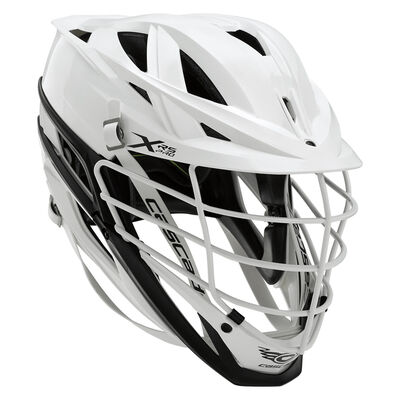
Cascade
The Cascade XRS Pro lacrosse helmet offers new protective features that extend coverage, enhance comfort, increase vision and offer a more personalized fit.
191422
$329.99
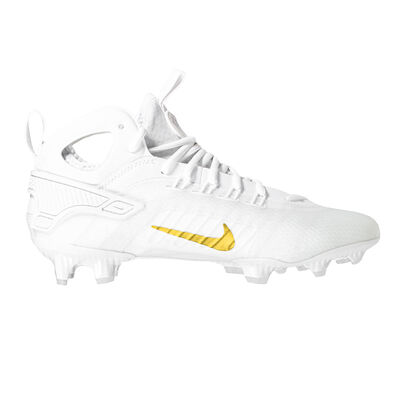
Nike
Nike Alpha Huarache 9 Elite Lacrosse Cleats
<iframe width="100%" height="315" src="https://www.youtube.com/embed/VbLhqMMvbhI?si=jt9tK3SISEs8x0p8" title="YouTube video player" frameborder="0" allow="accelerometer; autoplay; clipboard-write; encrypted-media; gyroscope; picture-in-picture; web-share" allowfullscreen></iframe>
185490
$129.99
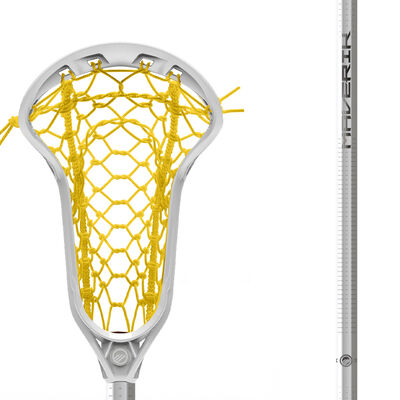
Maverik
Maverik Ascent Pro Hex Complete Stick Strung with the new HEX POCKET, players experience a ready-to-go sweet spot with intense ball hold throughout the entire channel.
192855
$274.99
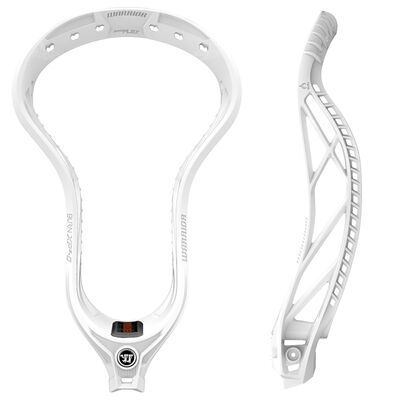
Warrior
The Warrior Burn XP2-O lacrosse head is for the elite offensive lacrosse player that likes extra power while shooting from the outside.
192688
$129.99
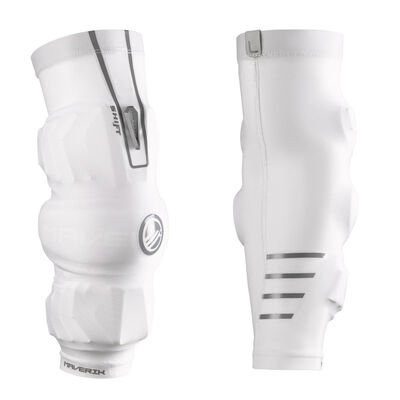
Maverik
<p>Maverik Shift Men's Lacrosse Arm Pad</p>
<iframe width="100%" height="315" src="https://www.youtube.com/embed/mVkBxyXHfP8?si=WHPCpoI5lw-f98te" title="YouTube video player" frameborder="0" allow="accelerometer; autoplay; clipboard-write; encrypted-media; gyroscope; picture-in-picture; web-share" referrerpolicy="strict-origin-when-cross-origin" allowfullscreen></iframe>
192836
$109.99
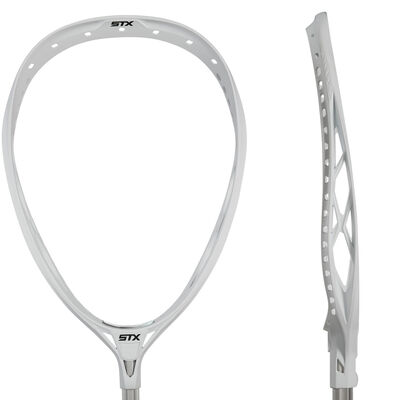
STX
STX Eclipse 3 lacrosse head is designed for the elite level goaltender - Get this head professionally strung up with custom colors, ready to eat up groundballs, and clearing on a dime, at Lax.com
192245
$119.99
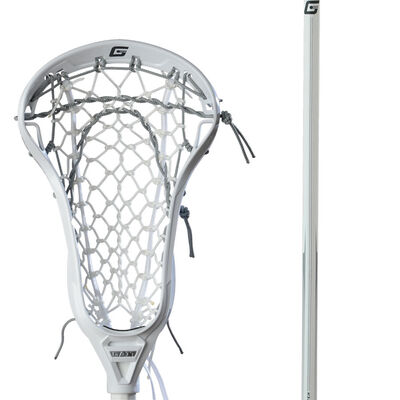
Gait
Te Gait Apex women's complete lacrosse stick strung with flex mesh is the perfect midfielders stick that is built for speed, control, balance and accuracy.
160341
$289.99
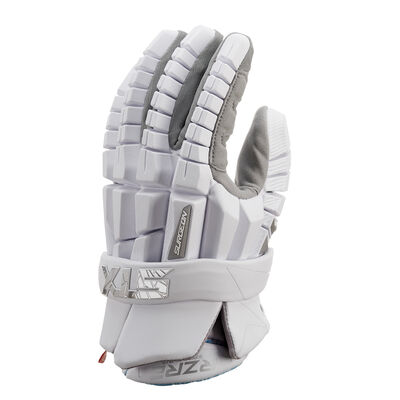
STX
The STX Surgeon RZR 2 men's lacrosse gloves have been updated and they are one of the lightest, high-end gloves available, without suffering protection. The new RZR 2 gloves offer more flex, and better feel - in other words, the best just got better!
182891
$179.99
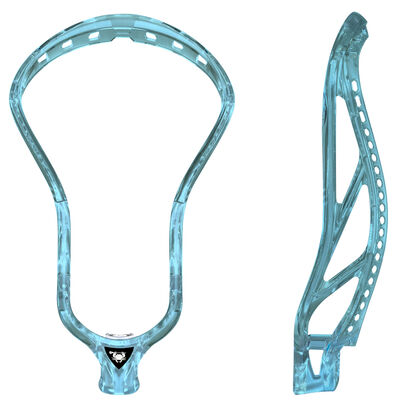
East Coast Dyes
ECD Ion Lacrosse Head
<iframe width="100%" height="315" src="https://www.youtube.com/embed/pUPmeer4D1w?si=6lKUAnY3sa36JdYy" title="YouTube video player" frameborder="0" allow="accelerometer; autoplay; clipboard-write; encrypted-media; gyroscope; picture-in-picture; web-share" allowfullscreen></iframe>
179009
$119.99
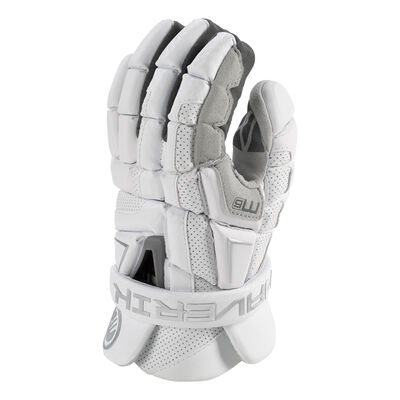
Maverik
The Maverik M6 gloves is an evolution of its popular predecessor, the M5. It's the classic fit you already love, redesigned for unrestricted movement and precision feel with the new CONNEKT PALM.
192800
$139.99
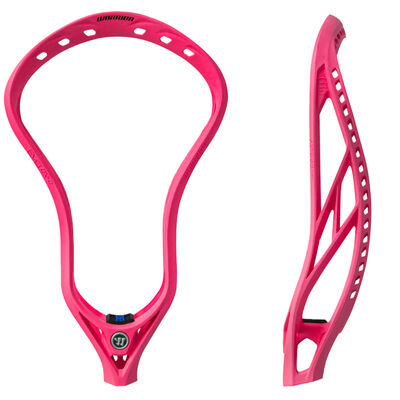
Warrior
STAND OUT ON THE FIELD! Thw Warrior Evo QX-O NEON is built for the elusive ball carrier who relies on ball control and quick release.
194243
$99.99

Follow Us On Instagram
Top Sellers
For Men
Heads
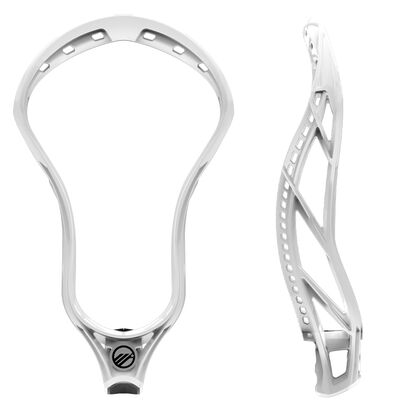
Maverik
The newly updated Maverik Tactik 3.0 men's lacrosse head is built to control the offensive zone, and is always a threat to score or feed. Our Pro's think this head is designed for the mid-range shooter and precision passer. The new Tactik 3.0 has been updated with ControlCore Technology, providing superior ball control when possessing, feeding and shooting. This head features 20 stringing holes, so the custom pocket options are endless. Want custom stringing colors? Check out our customizers, and our Premier Custom Stringing. Level 3 Bottom Rail: Mid-Pocket recommended Optimal Release Point Duratough Materail Ground Control Scoop Control Core Made in the USA
175499
$99.99
SHAFTS
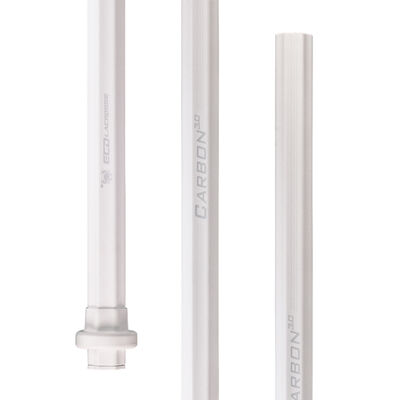
East Coast Dyes
The ECD Carbon 3.0 men’s carbon fiber lacrosse shaft is stronger than ever and has a new sliding end cap. This shaft is built for every player in the game.
167987
$99.99
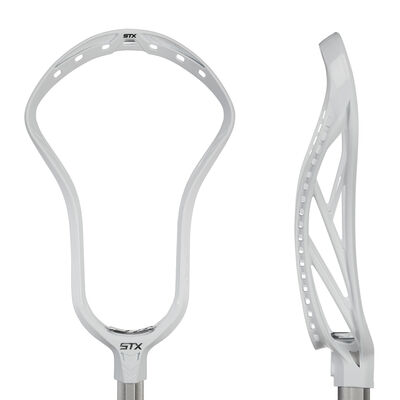
STX
The STX Surgeon 1K lacrosse head leads the charge on offense, slicing up the defense and firing lasers at every corner of the cage.
192316
$99.99
East Coast Dyes
ECD Ion Lacrosse Head
<iframe width="100%" height="315" src="https://www.youtube.com/embed/pUPmeer4D1w?si=6lKUAnY3sa36JdYy" title="YouTube video player" frameborder="0" allow="accelerometer; autoplay; clipboard-write; encrypted-media; gyroscope; picture-in-picture; web-share" allowfullscreen></iframe>
179009
$119.99
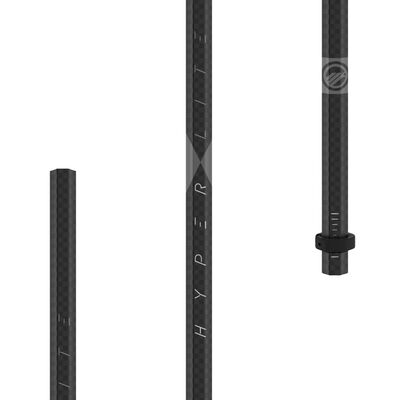
Maverik
The Maverik Hyperlite lacrosse shaft sets the standard for collegiate and high school level play that is light as a feather and it can stand up to the punishment of big boy play
177524
$149.99
Warrior
The Warrior Burn XP2-O lacrosse head is for the elite offensive lacrosse player that likes extra power while shooting from the outside.
192688
$129.99
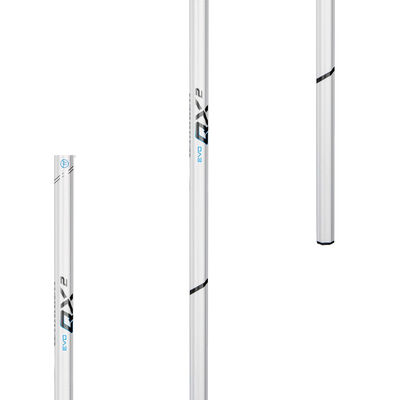
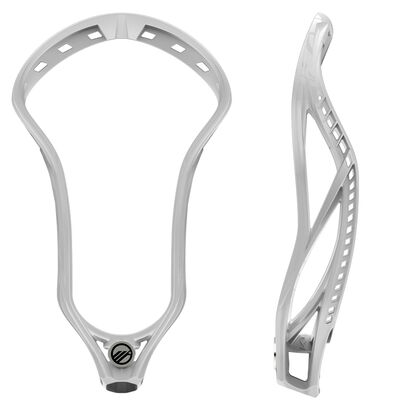
Maverik
Maverik Kinetik 3.0 - Perfect for outside shooting attack - Get this men's lacrosse head professionally strung with custom colors, ready to eat up groundballs, and throwing on a dime at Lax.com!
192240
$99.99
Maverik
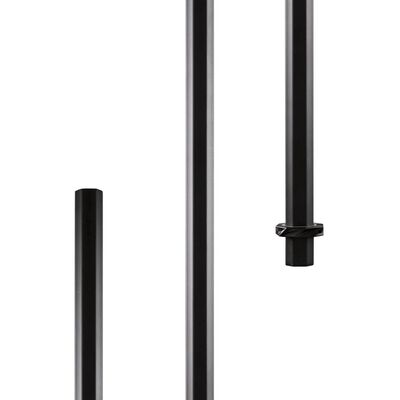
The Maverik Mission Blank lacrosse shaft is the first ever, no frills super light shaft that is made especially for those that let their game do the talking. This shaft is coming in right around 5 oz. with the patented ABE butt end that lets you determine where you want you bottom hand to rest without the need for heavy tape jobs. The new Maverik Blank is quickly climbing the top sellers list with those players that want the best lightweight materials without all the glitz and glam that other manufactures are splashing around. This price point is amazing for a shaft. This haft is lightweight, strong and we are already seeing high demand with the elite high school summer ball crowd.VIDEO: LEARN THE DIFFERENCE BETWEEN CARBON andamp; METAL LACROSSE SHAFTS
59953
$114.99
-
$159.99
PROTECTION
CLEATS
Nike
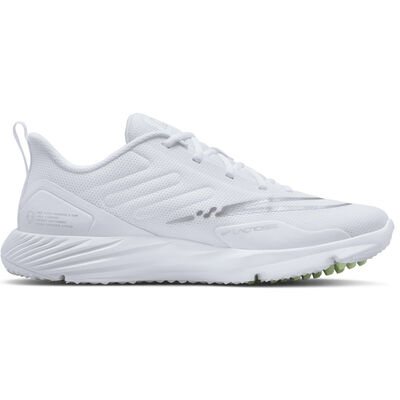
The Nike Alpha Huarache 8 Pro Turf Shoe is the perfect turf shoe whether you're playing in the box or just hitting the turf. The Nike Alpha Huarache 8 Pro Turf was specifically designed for comfort, stability and flexibility on the field. Skins and TPU molding on the upper create a stable feel, while active pegs retract and extend so you have traction when and where you need it most.
165954
$79.99
$47.99
Maverik
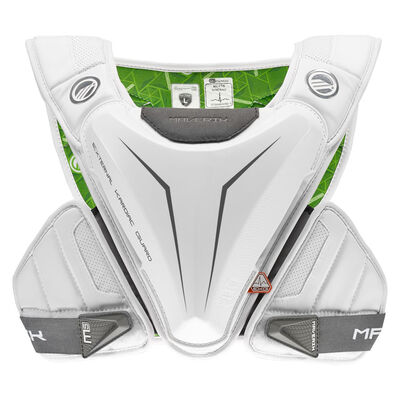
The Maveirk M5 EKG Speed Pad provides high-level protection with Maverik’s External Kardiac Guard (EKG). This shoulder pad liner meets the new NOCSAE performance standard ND200.
148292
$124.99
Nike
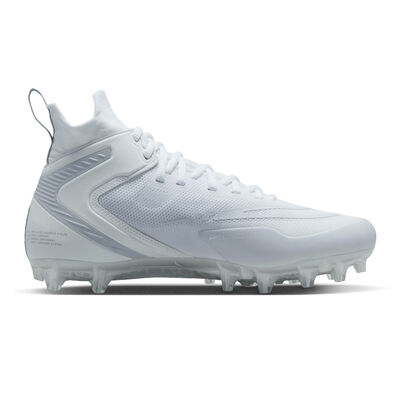
The Nike Alpha Huarache 8 Elite lacrosse cleat provides comfort, stability and flex for the field. The Nike Alpha Huarache 8 Elite is designed for the player that's on the field every day, putting in the work
165754
$110.97
$66.99
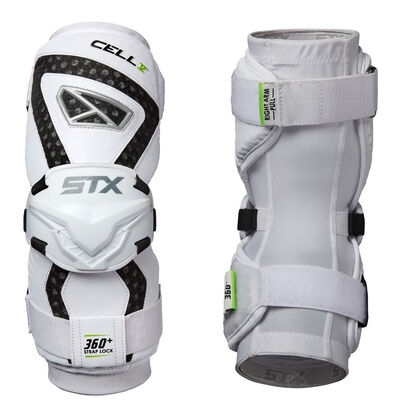
STX
The STX Cell V arm guards are a step up from their predecessor the Cell IV. These pads will be worn by the elite collegiate attackmen and middies in the nation for hinge free padding and the non slip arm sleeve. STX also added a floating, hard plastic elbow cap which provides added low-profile slash protection.
149302
$109.99
$84.99
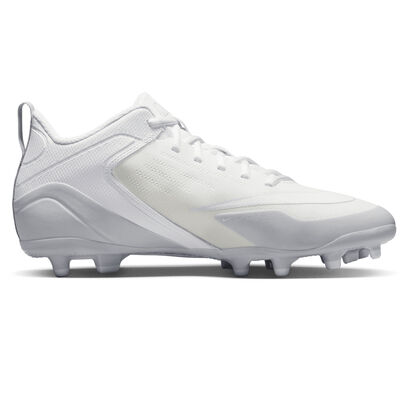
Nike
The Nike Alpha Huarache 8 Varsity was made for the demands of the game. The brand-new mesh in the upper is super lightweight and minimizes distractions, perfect for the beginner player. The flexible TPU plate is comfortable enough for all the miles you put in on the field. Our Pro’s love the shorter break in period the cleats have coming from the flexible TPU plate.
165877
$89.99
$54.99
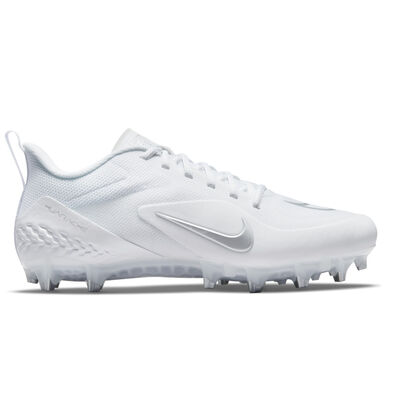
Nike
The Nike Alpha Huarache 8 Pro lacrosse cleat provides comfort, stability and flex for the field. This lacrosse cleat was made for the demands of the game.
165665
$99.99
$54.99
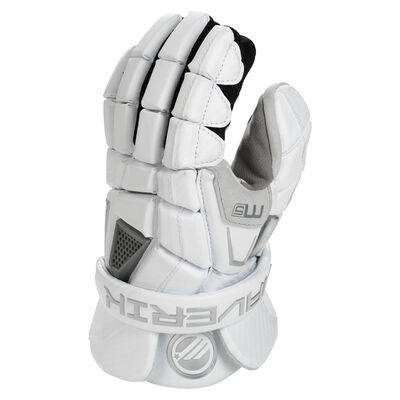
Maverik
The Maverik M5 mens lacrosse glove has the classic fit, that was redesigned for unrestricted movement and precision feel. You will find instant comfort right off the shelf. Our Pro's find that Maverik gloves have a roomy fit and also affords players some extra space on the back of the hand.
148270
$139.99
For Women
WOMEN'S COMPLETES
Gait
Te Gait Apex women's complete lacrosse stick strung with flex mesh is the perfect midfielders stick that is built for speed, control, balance and accuracy.
160341
$289.99
SHAFTS
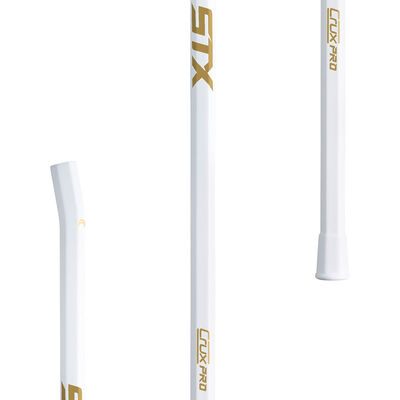
STX
The Crux Pro handle is a step up from its predecsseor the STX Crux 600 Precision Flex. The lightweight, low-profile composite lacrosse shaft has targeted strength in high-impact zones.
149224
$119.99
$99.99
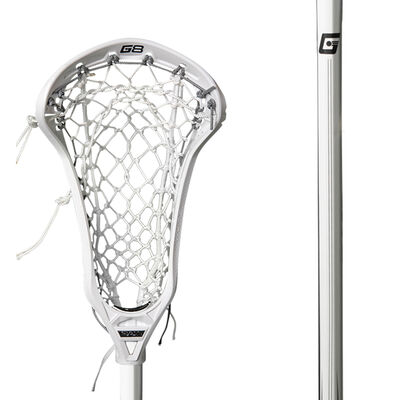
Gait
If you liked the Gait Whip, you will LOVE the Gait Whip2 women's complete lacrosse stick with Flex Mesh. If you want to play with what the Pro's use, this is it!
191824
$289.99
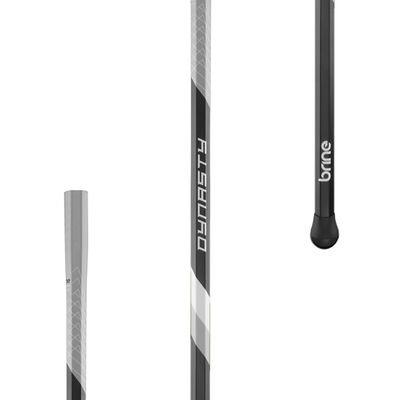
Brine
Classic octagonal shape• Comfort-grip finish for all weather conditions
165057
$59.99
$49.99
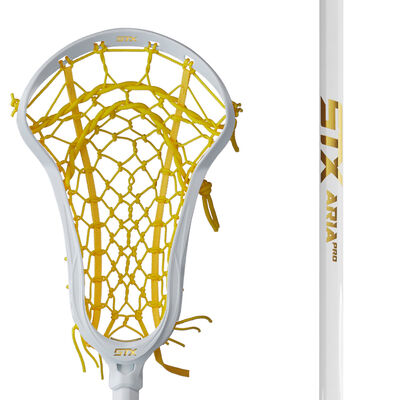
STX
If you LOVED the Crux, you are really going to love the STX Aria Pro Lock Pocket women's complete stick. STX used all the top features of the Crux and added even more to the Aria.
192307
$274.99
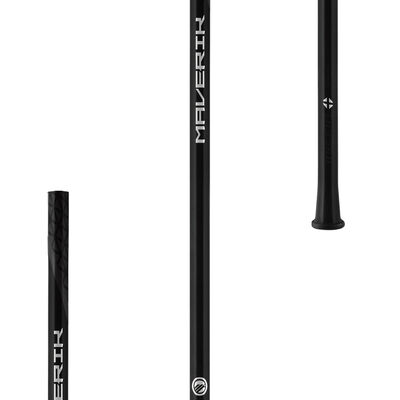
Maverik
Light and strong. The ASCENT+ women’s lacrosse shaft is the go-to shaft for the elite player.
166332
$98.99
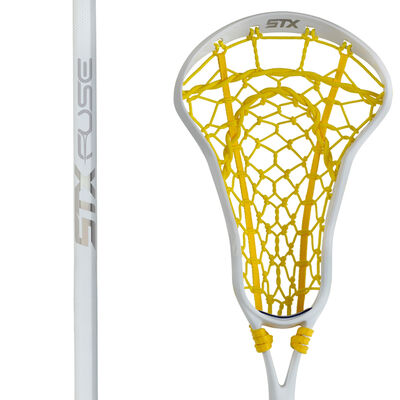
STX
First-ever elite one-piece women’s lacrosse stick Fuse™ - Crafted for the most elite athlete
196456
$349.99
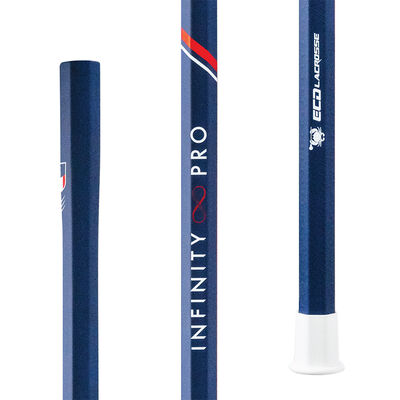
East Coast Dyes
ECD Infinity Pro USA 2023 women's lacrosse handle can upgrade your game!
192614
$114.99
Maverik
Maverik Ascent Pro Hex Complete Stick Strung with the new HEX POCKET, players experience a ready-to-go sweet spot with intense ball hold throughout the entire channel.
192855
$274.99
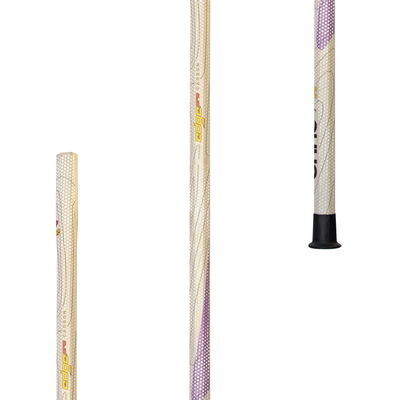
Warrior
Grab this Limited Edition shaft while you can! The Edge Carbon women's lacrosse handle features a mid-size octagon shape and a soft coat finish.
177779
$119.99
PROTECTION
STX
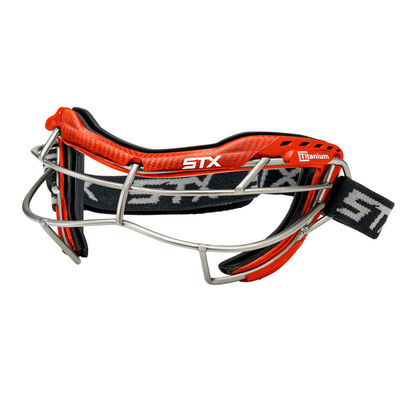
The STX Focus TI-S+ women's lacrosse goggle has a new double bar design which enhances comfort and offers extra visibility. This goggle meets ASTM standards for women's lacrosse.
167700
$99.99
Heads
Gait
<iframe width="100%" height="315" src="https://www.youtube.com/embed/ylQaZGI0A_g" frameborder="0" allow="accelerometer; autoplay; encrypted-media; gyroscope; picture-in-picture" allowfullscreen></iframe><div class="item image-zoom"><a href="https://www.lax.com/complete-lacrosse-guide-sizing.html#filter=.women">
<img alt="Need Help? Complete Lacrosse Guide And Sizing Chart" src="https://www.lax.com/on/demandware.static/-/Sites-lax-products/default/dwa38cbf20/cc-images/Untitled-4_0000_Complete-Lacrosse-Guide-And-Sizing-Charts.png" title="Need Help? Complete Lacrosse Guide And Sizing Chart" width="100%" /></a></div>
122920
$219.99
STX
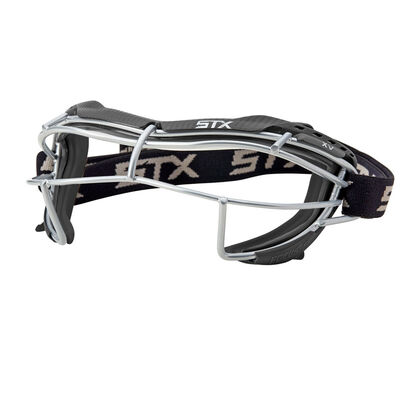
2Low profile double bar cage design for superior visibility2Form-fitting silicone padding is easy to clean and does not absorb sweat or moisture, minimizing potential breakouts2Meets ASTM F3077 requirements for women’s lacrosse2SEI certified
149217
$79.99
Maverik
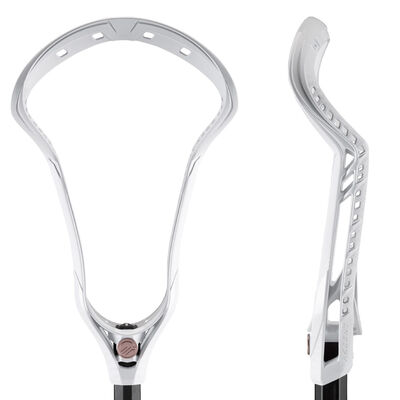
The ASCENT + women’s lacrosse head is for a player who is not afraid to make an impact on the field. Have it strung up by our Pro's!
166329
$129.99
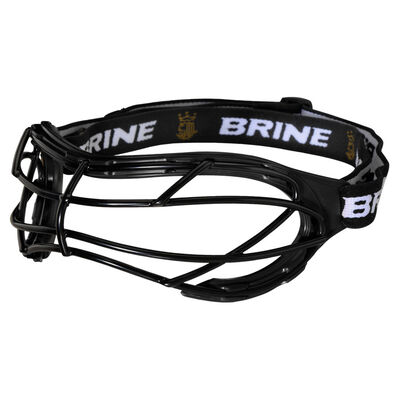
Brine
Get an unobstructed view with the Brine® Women’s Dynasty II Lacrosse Goggles.
120373
$54.99
$44.99
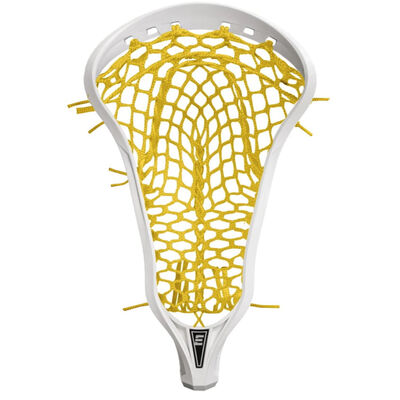
Epoch
The Epoch Purpose™ 10-Degree women's lacrosse head strung with Factory Tie Up Pro Mesh is engineered down to the smallest detail and has been proven at the highest level. Designed, and manufactured right here in the USA, the Purpose™ features Epoch’s patent pending 10-degree bottom rail.
168081
$129.99
East Coast Dyes
ECD Infinity Pro USA 2023 women's lacrosse handle can upgrade your game!
192614
$114.99
Warrior
Grab this Limited Edition shaft while you can! The Edge Carbon women's lacrosse handle features a mid-size octagon shape and a soft coat finish.
177779
$119.99
Lacrosse Highlights

Saint Anthony's (NY) vs Lawrenceville (NJ)

St. Andrew's (FL) vs St. Thomas Aquinas (FL) | Lax.com Game of the Week

Best Lacrosse Gloves of 2024 For Men

Best Face-off Lacrosse Heads For 2024

Best Lacrosse Heads For Midfielders 2024

Top Women's Lacrosse Complete Sticks for 2024

Best Defense and LSM Lacrosse Heads for 2024

When to Replace My Lacrosse Head
LAX Scores & Stats
Tuesday, April 23


Sunday, April 21


Saturday, April 20


Top 10 Ranking - Men's Division 1
Top 10 Ranking - Men's Division 2
Top 10 Ranking - Men's Division 3
Top 10 Ranking - Women's Division 1